

In the dynamic landscape of aviation, distinguishing between **aircraft types** such as fixed wing and rotary wing aircraft is fundamental for both industry professionals and enthusiasts. This analytical review examines these two pivotal categories, evaluating how the choice between them influences operational effectiveness and maintenance strategies. Leveraging a data-driven approach, we explore the nuances and practical implications for Aircraft Maintenance Organizations (AMOs) and the broader aviation community.
Overview of Aircraft Types
Fixed Wing Aircraft
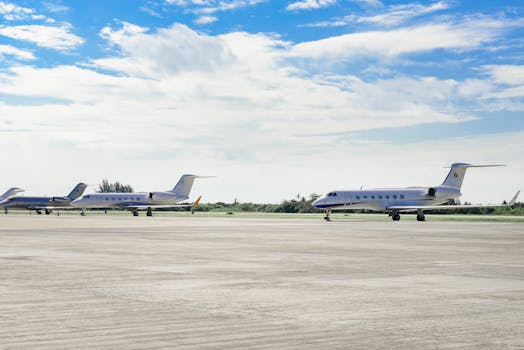
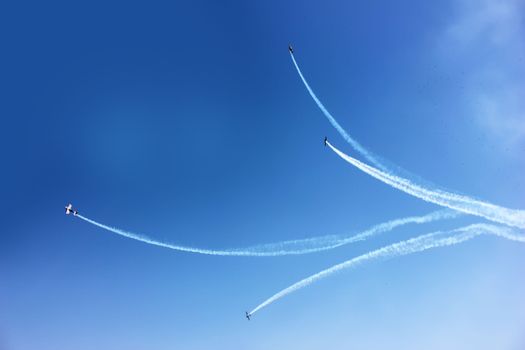
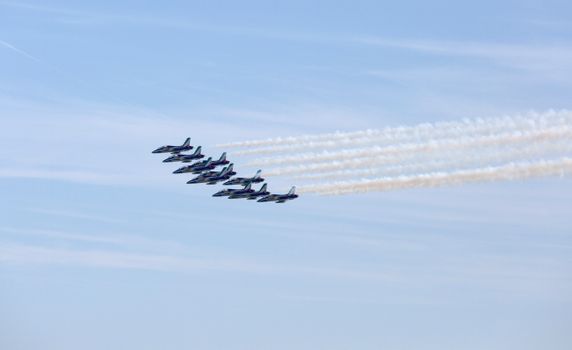
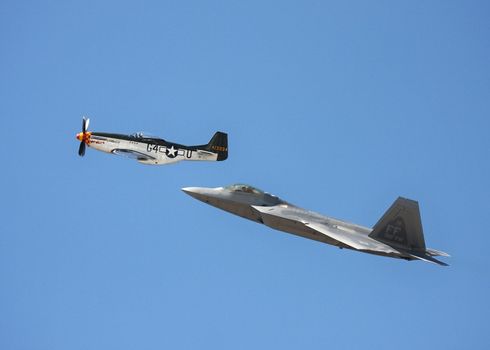
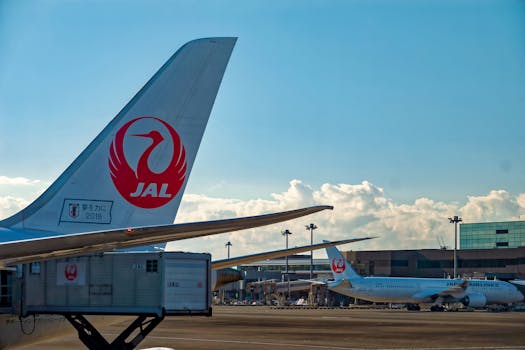
Fixed wing aircraft are characterized by their rigid wings, which generate lift through forward motion. These types of aircraft are prevalent among commercial airlines, private operators, and military forces. Renowned for their efficiency in long-distance travel, fixed wing platforms are central to passenger transport, cargo delivery, and strategic military operations. For a deeper dive into pros and cons of fixed wing aircraft, you can visit Skybrary.

Rotary Wing Aircraft
Rotary wing aircraft, commonly known as helicopters, utilize rotating blades to achieve vertical lift and hovering capabilities. They are indispensable in missions that demand operational flexibility, such as emergency rescues, medical evacuations, and law enforcement activities. Helicopters excel in accessing remote or confined areas where traditional runways are unavailable. To understand the advantages of rotary wing helicopters, check out Vertical Magazine.
Context
Within modern aviation, fixed and rotary wing aircraft serve distinct yet complementary roles. Types of aircraft in aviation dominate long-haul passenger and cargo transport, while rotary wing platforms are optimized for tactical, short-range missions requiring agility and adaptability.
Criteria for Comparison
For a comprehensive analysis, this review considers the following criteria:
- Performance Characteristics: Speed, range, and altitude capabilities
- Operational Flexibility: Adaptability to diverse missions and environments
- Maintenance Requirements and Complexity: Technical demands and logistical considerations
- Cost Considerations: Acquisition, operational, and lifecycle costs
- Typical Use Cases and Mission Suitability: Application effectiveness
Comparative Analysis
Performance Characteristics
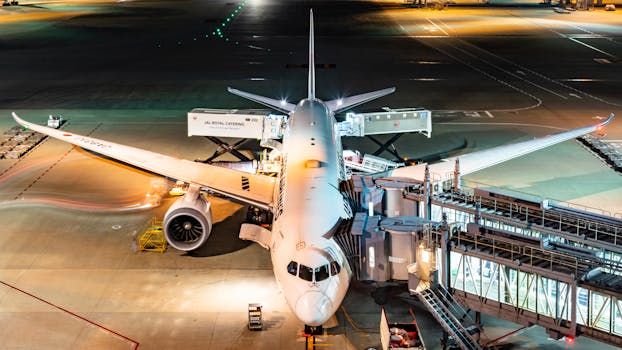
Fixed wing aircraft typically outperform rotary wing platforms in speed and range due to superior aerodynamic efficiency. For instance, commercial jets such as the Boeing 747 can reach cruising altitudes of 35,000 feet and speeds exceeding 570 mph. In contrast, helicopters like the Bell 429 are limited to approximately 150 mph but deliver exceptional maneuverability in restricted environments. Learn more about fixed wing vs rotary wing performance differences at Aviation Week.
Operational Flexibility and Roles
The vertical takeoff and landing (VTOL) capability of rotary wing aircraft offers significant advantages in urban, remote, and emergency scenarios. Helicopters are well-suited for missions such as medical evacuation, search and rescue, and tactical operations. Conversely, fixed wing aircraft require runways for takeoff and landing, which confines their operations but enables greater efficiency and capacity in routine, extended missions.
Maintenance Demands and Reliability
Maintenance requirements diverge significantly between the two categories. Fixed wing aircraft benefit from predictable maintenance schedules and standardized procedures. In contrast, helicopters necessitate meticulous upkeep due to their mechanical complexity and higher number of moving parts. The availability of specialized technicians and spare parts can impact the operational readiness and downtime of rotary wing fleets.
Cost Analysis: Acquisition, Operation, and Lifecycle
While fixed wing aircraft often entail higher upfront acquisition costs, they usually provide better fuel efficiency and lower operational expenses over time. Helicopters may have lower initial costs but are associated with increased maintenance and fuel consumption. Additionally, fixed wing aircraft tend to retain higher resale value, further enhancing their lifecycle economics.
Use Case Scenarios
- Commercial Passenger and Cargo Transport: Predominantly served by fixed wing aircraft
- Medical Evacuation, Search and Rescue, Law Enforcement: Optimally supported by rotary wing platforms
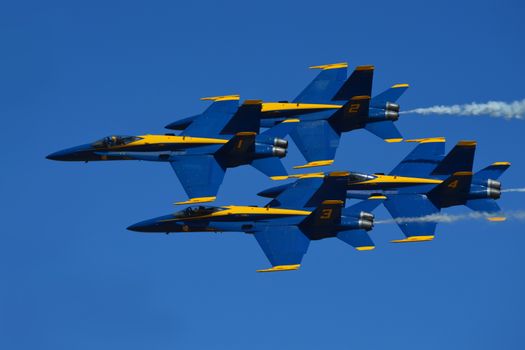
- Military and Special Operations: Selection depends on mission-specific requirements, with both types playing strategic roles
Pros and Cons Summary
Fixed Wing Aircraft
- Strengths: High efficiency, long range, high speed, cost-effectiveness over distance
- Weaknesses: Dependence on runways, limited adaptability in diverse or confined environments
Rotary Wing Aircraft
- Strengths: Vertical takeoff/landing, access to inaccessible areas, versatile mission profiles
- Weaknesses: Elevated maintenance costs, restricted range and speed
Comparison Table: Fixed vs. Rotary Wing Aircraft
| Criteria | Fixed Wing | Rotary Wing |
|----------------|---------------------|--------------------------|
| Speed | High | Moderate |
| Range | Long | Short |
| Flexibility | Limited | Extensive |
| Maintenance | Predictable | Complex |
| Cost | Variable | Often higher |
| Use Cases | Transport | Rescue, Tactical |
Recommendations
For AMOs
Aircraft selection should align with specific mission requirements. Fixed wing aircraft are optimal for sustained, high-efficiency operations, whereas rotary wing platforms are better suited for agile, rapid-response scenarios.
For Enthusiasts and Operators
Decision-making should consider operational environments, mission objectives, maintenance infrastructure, and budget constraints.
Future Trends
Advancements in hybrid and advanced propulsion technologies are bridging the gap between fixed and rotary wing capabilities, indicating a trend toward more versatile and efficient aircraft platforms.
Conclusion
This analysis underscores the distinct advantages and inherent limitations of both fixed and rotary wing aircraft. A clear understanding of these differences is essential for informed decision-making in aviation operations and strategy.

Reader Engagement
We invite readers to share their experiences or ask questions regarding fixed and rotary wing aircraft. Your insights contribute to a broader understanding and can help shape future reviews.
Frequently Asked Questions (FAQs)
- What are the key performance differences? Fixed wing aircraft excel in speed and range, while rotary wing platforms offer superior operational flexibility.
- How do maintenance demands compare? Fixed wing aircraft have predictable maintenance needs, whereas rotary wing aircraft require more intensive attention.
- Which is more cost-effective? Fixed wing aircraft generally provide better long-term cost efficiency, though the optimal choice depends on specific use cases and operational contexts.
Both fixed and rotary wing aircraft are integral to the aviation industry, each excelling in roles where the other may encounter limitations.

Comments
Loading comments...